
The New Imperative: Freshness as a YouTube Ranking Signal
YouTube’s news discovery algorithms are wired for immediacy. If you’re running a faceless channel in a timely niche, this isn’t a soft preference; it’s a hard requirement. The platform surfaces content that reflects what’s happening now. This means your ability to detect emerging trends, source information rapidly, and ship a polished video before the news window slams shut is paramount. For operators, this translates into a critical need for speed and efficiency in our content pipeline. Ignoring this reality means your channel, no matter how well-produced, will likely languish in obscurity, unseen by the audience actively searching for the very topics you could be covering.
From Trend Spotting to Script: Consolidating Your News Pipeline
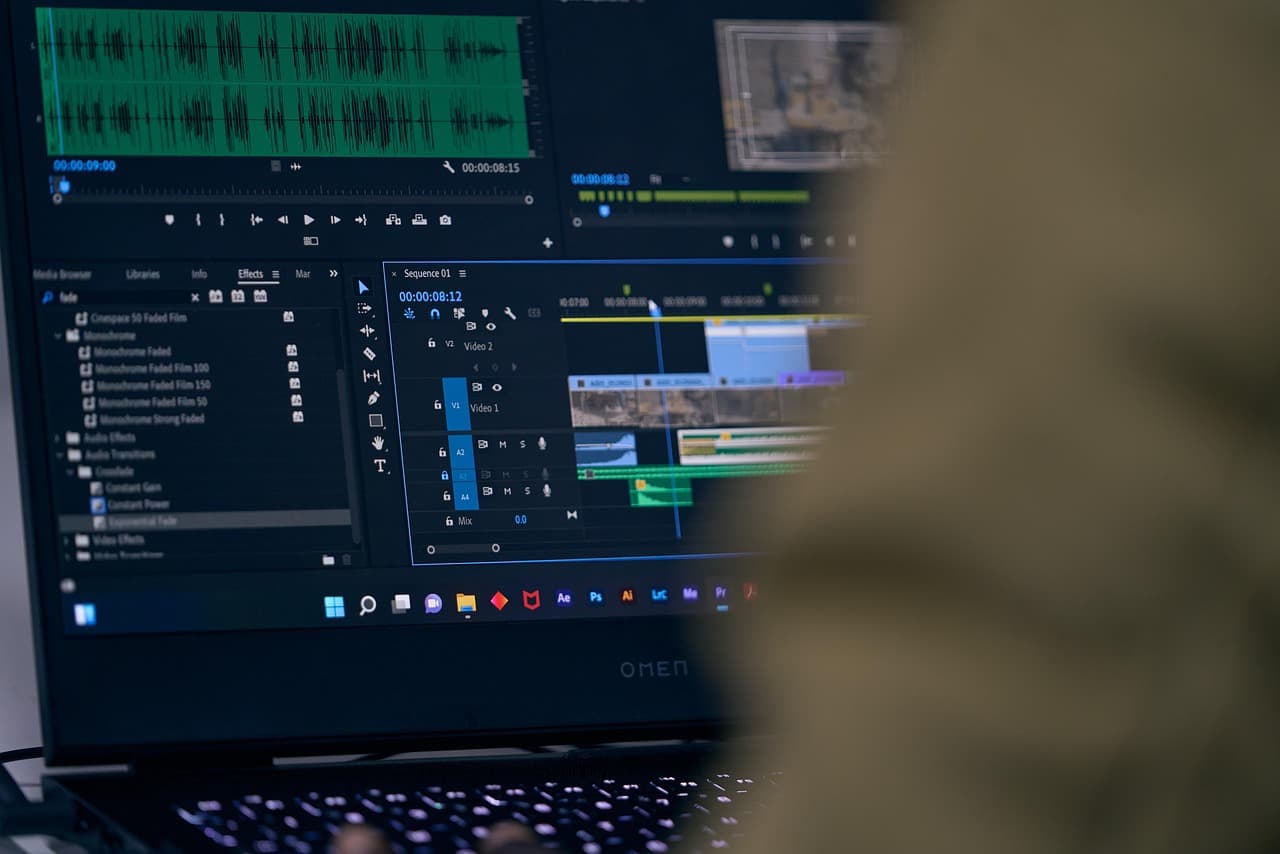
Before adopting a consolidated pipeline, my pre-Studio workflow involved over an hour per video, juggling multiple tools. The process was a mess. I’d spend 20 minutes scanning disparate news feeds, another 30 minutes trying to stitch together a narrative across different AI writing assistants and research databases, and then another 15 minutes wrestling with audio and video editors. This wasn't just slow; it was mentally exhausting. The sheer friction of context-switching between tools meant that by the time I had a usable script, the news cycle had often moved on. The goal became clear: consolidate the essential steps of research, scripting, and packaging into a single, coherent workflow. This isn't about having more tools; it's about having the right tools that talk to each other, reducing the time from idea to output.
Operationalizing Context: Beyond Surface-Level Reporting
Many faceless channels fall into the trap of surface-level reporting. They grab a headline, run it through an AI, and spit out a video. YouTube’s algorithms, especially for news, are smarter than that. They look for context, depth, and a clear reporting intent. This means digging deeper than the initial news blast. It requires understanding the implications, the background, and the potential future trajectory of a story. For an operator, this means building a system for sourcing not just the what, but the why and how. This involves establishing trusted sources, cross-referencing information, and developing a framework for adding unique analytical value. Without this, your content becomes interchangeable noise, unlikely to gain traction or retain viewership.
The Friction Cost of Juggling Disparate Tools
Switching between tools for research, scripting, and final output created significant friction, delaying video publication. This friction is the silent killer of timely content. Imagine you’ve identified a breaking story. You need to quickly verify facts, outline the key points, draft the script, generate voiceovers, and edit the visuals. If each of these steps requires opening a new tab, logging into a different platform, and re-orienting your brain, minutes turn into hours. In a news cycle that moves at breakneck speed, those hours mean missing the opportunity entirely. I’ve seen this play out countless times: promising trends identified, but the production bottleneck kills the momentum before it even starts.
Modeling Success: Structure Over Mere Imitation
Modeling successful channels isn't about copying their thumbnails or video structures verbatim. It’s about understanding the underlying system that drives their success. For news-focused channels, this system heavily favors freshness. If you see a channel consistently breaking news stories and gaining traction, they likely have a robust pipeline designed for speed. They’ve modeled the process, not just the product. This means dissecting their content release cadence, identifying how they source stories, and understanding how quickly they can execute. My own modeling loop observed this: a 600K view video on a timely topic would often be followed by a series of similarly structured, ~400K view "sibling" videos, establishing a floor of ~100K views on related content. This demonstrated the power of a structured, repeatable approach to topical coverage.
Why 'More Tools' Isn't Always 'More Capability'
The idea that 'more tools equals more capability' is a fallacy; each tool introduces a cognitive switching cost. This is a hard lesson many operators learn too late. We chase the latest AI writing tool, the newest video editor, the most advanced research database, believing that more options equate to better output. In reality, each new tool adds another layer of complexity, another login, another interface to learn. For content that needs to be shipped daily or even hourly, this is a death sentence. The true capability lies not in the sheer number of tools you possess, but in how effectively they are integrated and leveraged within a streamlined operator workflow.
Source Grounding: The Unseen Monetization Compliance Factor
In December 2025, one of my channels lost monetization for not source-grounding, requiring a five-month rebuild. This was a brutal reminder that on YouTube, especially in news and factual content, compliance is king. Simply reporting information isn’t enough; you need to demonstrate where that information comes from. This isn't just about adding a few links in the description box. It’s about integrating source attribution into your script, your visuals, and your overall content strategy. Failing to do so, particularly as YouTube’s review processes evolve, can lead to demonetization or outright channel termination. Building a system that inherently incorporates source grounding from the research phase is non-negotiable for sustainable, long-term channel operation.
Building the Bridge: Sustainable Growth in Timely Niches
My first monetization breakthrough came from an 800K-view video, netting around $13K in a single month. This wasn’t luck; it was the result of finally building a bridge between trend identification and rapid execution. Before that, I’d burned about 12 months making zero revenue, running four channels across three niches with seven separate tools. The lesson was stark: chasing every shiny object, every new tool, without a cohesive system, leads nowhere. A friend quit his job to pursue YouTube full-time in 2023, and after six months, he was applying for retail work because his content pipeline couldn't keep up with the demands of timely niches. Sustainable growth in these fast-paced environments comes from a consolidated pipeline that allows you to consistently ship high-quality, contextually relevant content. It’s about operational discipline, not just chasing viral hits.
Where this lives in the rest of the system: This focus on operationalizing your content pipeline and understanding YouTube's discovery signals is a core component of building a resilient faceless channel. It’s about moving beyond the hype and building a sustainable engine for content creation.
Learn more about the foundational principles for operator-grade YouTube channels in The 7 Laws of OnTarget.
Ready to streamline your workflow and ship faster? Try OnTarget Studio for free.