
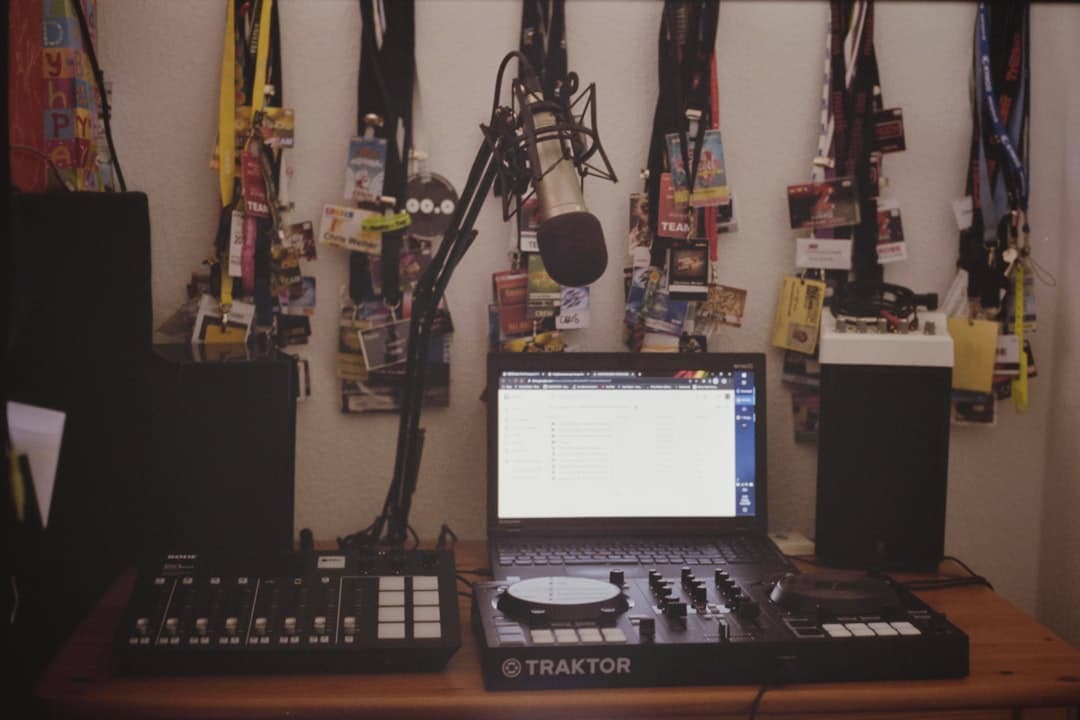
The Operator's Visual Pipeline: From Concept to Engaging Story
Before implementing a structured visual pipeline, my workflow involved juggling seven tools, taking over an hour per video. It was a chaotic mess. I'd spend hours searching for clips, then more hours stitching them together, constantly battling software limitations and the sheer friction of moving assets between disparate applications. The result? Videos that felt disjointed, lacked a cohesive narrative, and frankly, underperformed. This wasn't a sustainable system for an operator focused on shipping content consistently. The goal wasn't just to make videos, but to make videos that resonated, that held attention, and that ultimately contributed to a growing business. That meant rethinking the entire visual production process from the ground up.
Deconstructing Viewer Attention: What Truly Hooks Without a Face
The biggest misconception about faceless YouTube is that you need a charismatic personality on screen. That’s a lie. What truly hooks viewers, especially in the faceless space, is the intelligent application of visual storytelling principles. It’s about understanding what triggers emotional responses and maintains cognitive engagement. Think about the last video that kept you watching past the 30-second mark without a talking head. It wasn't the presenter's dazzling smile; it was likely the dynamic pacing, the relevant B-roll, the subtle visual cues that reinforced the narrative, and the way the visuals mirrored the audio’s emotional arc. We’re not selling talent; we’re selling immersion. We’re building a world for the viewer to step into, using visuals as the bricks and mortar.
Asset Sourcing & Curation: Building a Visual Backlog for Consistency
Consistency is king in the faceless game, and that consistency starts with your visual assets. I once burned twelve months and ran four channels across three niches with seven tools, achieving zero monetization. A huge part of that failure was my haphazard approach to sourcing visuals. I’d scramble for clips on a per-video basis, leading to repetitive imagery and a lack of thematic cohesion. Building a visual backlog is non-negotiable. This isn't just dumping random clips into a folder; it's a curated library organized by theme, emotion, and potential use case. Think of it as your visual inventory, ready to be deployed. This proactive approach removes a massive bottleneck, allowing you to focus on the narrative rather than the hunt.
Pacing & Editing: The Unseen Art of Faceless Narrative Flow
Most creators focus on what to show, but the real magic in faceless YouTube lies in how and when you show it. Pacing isn't just about cutting between shots; it's about controlling the viewer's emotional journey. Fast cuts can build excitement or urgency, while longer, lingering shots can evoke contemplation or calm. For faceless content, this is even more critical because you don't have a human face to guide the viewer's eye. I learned the hard way that trying to force 'passion niches' is a mistake; picking a topic you can sustain interest in for at least six months is more pragmatic, and that includes having enough visual variety to keep the pacing fresh. A well-paced video feels natural, almost subconscious, pulling the viewer along without them realizing how much time has passed.
Sound Design & Music: Elevating Emotion in Silent Visuals
Visuals carry a significant portion of the narrative, but sound design is the emotional amplifier. Even with a strong visual pipeline, dull audio or inappropriate music can kill engagement. The contrarian position here is that more tools don't equal more capability; each new tool adds cognitive switching cost, slowing down the workflow. This applies heavily to audio. While fancy sound effects can be tempting, often a carefully selected music track that matches the mood and a clear, well-mixed voiceover are enough. The key is to use audio to underscore the emotion conveyed by the visuals. A dramatic visual paired with uplifting music creates dissonance; the goal is harmony, where visuals and audio work in concert to create a powerful, cohesive experience.
The 'Why' Behind the Visuals: Connecting to Audience Intent
Every visual element you choose must serve a purpose. It needs to answer the implicit question: "Why am I seeing this now?" This requires understanding your audience's intent. Are they here for information, entertainment, or a specific emotional outcome? My first monetization breakthrough came from an 800K view video, generating approximately $13K in a single month. That video didn't just present facts; it used visuals to illustrate the 'why' behind the information, making it relatable and impactful. When viewers understand the purpose behind each visual, they feel more connected to the content and are more likely to stay engaged. It’s about building trust and delivering value, one carefully selected frame at a time.
Modeling Success: Adapting Visual Strategies for Growth
Looking at successful channels isn't about blind imitation; it's about deconstruction and adaptation. A key insight is that modeling successful channels isn't about copying, but understanding their visual structure. I observed a loop where a 600K view video led to a 400K modeled sibling with a 100K floor. This isn't about replicating their exact clips, but understanding the types of visuals they used, the pacing of their edits, and the emotional arc they created. You then take those principles and apply them to your own niche and visual backlog. This iterative process of modeling, adapting, and executing is how you build momentum and drive sustainable growth in the faceless space.
Shipping Engaging Content: Workflow Consolidation for Faceless Channels
The ultimate goal for any operator is to ship high-quality content efficiently. After a channel was demonetized in December 2025 for not source-grounding, it took five months to rebuild and regain monetization. This experience hammered home the importance of a streamlined, compliant workflow. Now, with a consolidated workflow, I can ship four finished packages in under ten minutes, a significant reduction from the previous 1+ hour per video. This isn't about speed for speed's sake; it's about removing friction, automating repetitive tasks, and creating a system where creativity can flourish without being bogged down by technical hurdles. It’s about building the bridge to consistent output and audience engagement.
Where this lives in the rest of the system: This entire approach to visual storytelling is a core pillar of building a sustainable faceless channel. It’s about understanding the operator’s mindset and applying it to every facet of content creation. For a deeper dive into the foundational principles that underpin this workflow, check out The 7 Laws of OnTarget.
Ready to streamline your visual content pipeline and start shipping more engaging videos? Try OnTarget Studio for free.