
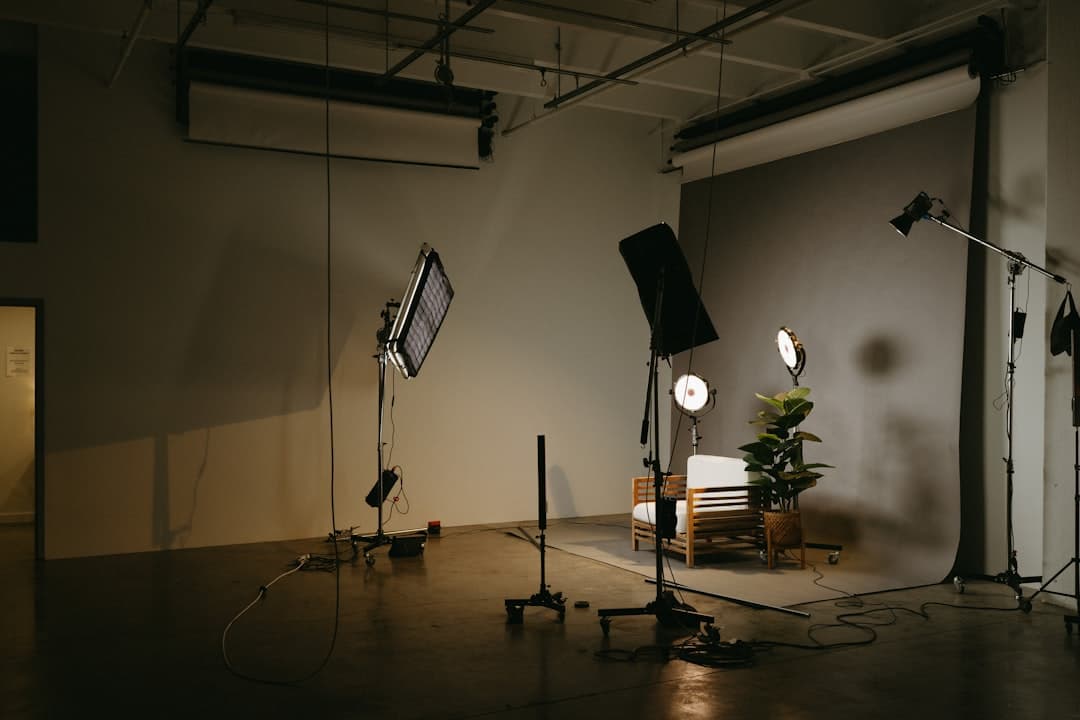
The Visual Narrative: Your Faceless Channel's Retention Engine
Before I consolidated my visual workflow, I spent over an hour per video juggling disparate tools. Now, it's under 10 minutes for a finished package. That shift wasn't about finding a faster AI voice or a slicker script generator. It was about recognizing that for faceless YouTube, the visuals aren't just background noise; they are the narrative. The AI voice delivers the information, but the visuals carry the emotional weight and dictate how long someone actually stays tuned in. If your visuals are generic, if they don’t tell a story, your retention numbers will reflect that disconnect.
Beyond Stock Footage: Sourcing and Styling Unique Visuals
Many channels fall into the trap of generic visuals that fail to hold attention. They hit up the usual suspects for stock footage, slap it on, and call it a day. This is a fast track to middling performance. The truth is, generic visuals signal a lack of effort and, frankly, a lack of respect for the viewer's time. I've seen friends quit their day jobs to go full-time on YouTube, only to be applying for retail jobs six months later, often because they neglected the foundational elements like unique visual identity. Moving beyond basic stock assets requires a strategic approach to sourcing and styling. Think about creating a distinct look and feel that’s consistent across your content. This might involve finding niche stock sites, creating custom graphics, or even filming simple, repeatable B-roll yourself. The goal is to build a visual language that’s recognizable and engaging.
Pacing and Flow: Directing the Viewer's Eye
Effective pacing guides the viewer's attention and prevents visual fatigue. A common mistake is simply letting footage play out too long. It creates dead air, visually speaking, and viewers will click away. I modeled a successful 800K view video, and the sibling content I produced using a similar visual structure consistently hit a 100K view floor. A massive part of that structure was the pacing – how quickly or slowly I introduced new visual elements, how long I held on a specific shot, and how I transitioned between them. This isn't about frantic cuts; it's about intention. Every shot, every graphic, every transition should serve a purpose in moving the narrative forward and keeping the viewer engaged.
Color Theory and Mood: Setting the Emotional Tone
The colors you use in your videos have a direct impact on the viewer's emotional state. A bright, vibrant palette can convey energy and excitement, while muted tones might suggest seriousness or calm. For a 6-figure faceless channel I operate, I noticed a significant uptick in watch time when I shifted from a chaotic mix of colors to a more controlled, consistent palette that aligned with the topic's mood. I've observed that 'more tools equals more capability' is a fallacy; every new tool introduces cognitive switching costs. This applies to color too. Instead of randomly selecting colors, I modeled a specific color scheme that evoked the desired feeling for the content, and then I stuck to it. This consistency builds a subconscious connection with the viewer.
Text Overlays and Graphics: Enhancing Comprehension
Text overlays and graphics aren't just for adding subtitles. They are powerful tools for emphasizing key points, illustrating complex ideas, and breaking up visual monotony. In 2023, I ran four channels across three niches with seven different tools, and generated zero revenue for a full quarter. A major reason was that my information delivery was purely auditory. I wasn't leveraging graphics to reinforce the message. When I started strategically using text overlays to highlight data points, define terms, or introduce new concepts, I saw a noticeable improvement in viewer retention. The trick is to make them clear, concise, and visually appealing, without overwhelming the screen.
Editing for Emotion: The Unseen Art of Visual Storytelling
Editing is where the raw footage and audio truly come alive. It’s the unseen art that transforms a collection of clips into a compelling story. I've seen friends quit their day jobs to go full-time on YouTube, only to be applying for retail jobs six months later. A common thread among those who struggled was a weak edit – visuals that didn't match the tone of the voiceover, awkward transitions, or a lack of emotional resonance. A key insight: picking a niche you can stand for six months, rather than a 'passion niche', is a more sustainable operator strategy. This applies to editing too. You need to be able to sustain the effort of crafting compelling edits. This means understanding how to use cuts, J-cuts, L-cuts, and visual pacing to create a rhythm that pulls the viewer through the video.
A/B Testing Your Visuals: Data-Driven Refinements
Data-driven A/B testing reveals what truly resonates with your audience. Many creators, especially in the faceless space, operate on gut feelings about their visuals. This is a mistake. I've observed that 'more tools equals more capability' is a fallacy; every new tool introduces cognitive switching costs. The same applies to visual decisions. Instead of guessing, I started A/B testing different visual styles, graphic placements, and even color palettes on similar pieces of content. For example, I might run two versions of a video with slightly different intro graphics or different B-roll pacing. By analyzing the retention graphs and audience feedback, I could definitively see which approach performed better. This data allows you to double-down on what works and eliminate friction points.
Consolidating Your Visual Pipeline for Efficiency
Consolidating your visual workflow is crucial for scaling. Before I consolidated my visual workflow, I spent over an hour per video juggling disparate tools. Now, it's under 10 minutes for a finished package. This efficiency gain is what allows operators to ship more content consistently. It means defining a clear pipeline: how you source assets, how you style them, how you edit them, and how you export them. I modeled a successful 800K view video, and the sibling content I produced using a similar visual structure consistently hit a 100K view floor. This wasn't just about the script; it was about replicating the entire visual pipeline. A key insight: picking a niche you can stand for six months, rather than a 'passion niche', is a more sustainable operator strategy. This sustainability extends to your production process. Building a robust visual pipeline frees up mental bandwidth and allows you to focus on the strategic aspects of channel growth. One contrarian position: I believe the description field is less about SEO and more about monetization compliance in 2026. While that's true for the description, the visuals are what keep people watching long enough to care about what's in it.
Where this lives in the rest of the system: Your visual strategy is a core pillar of your content engine. It needs to integrate seamlessly with your scripting and audio production. Learn how to build a complete content system in our guide, The 7 Laws of OnTarget.